



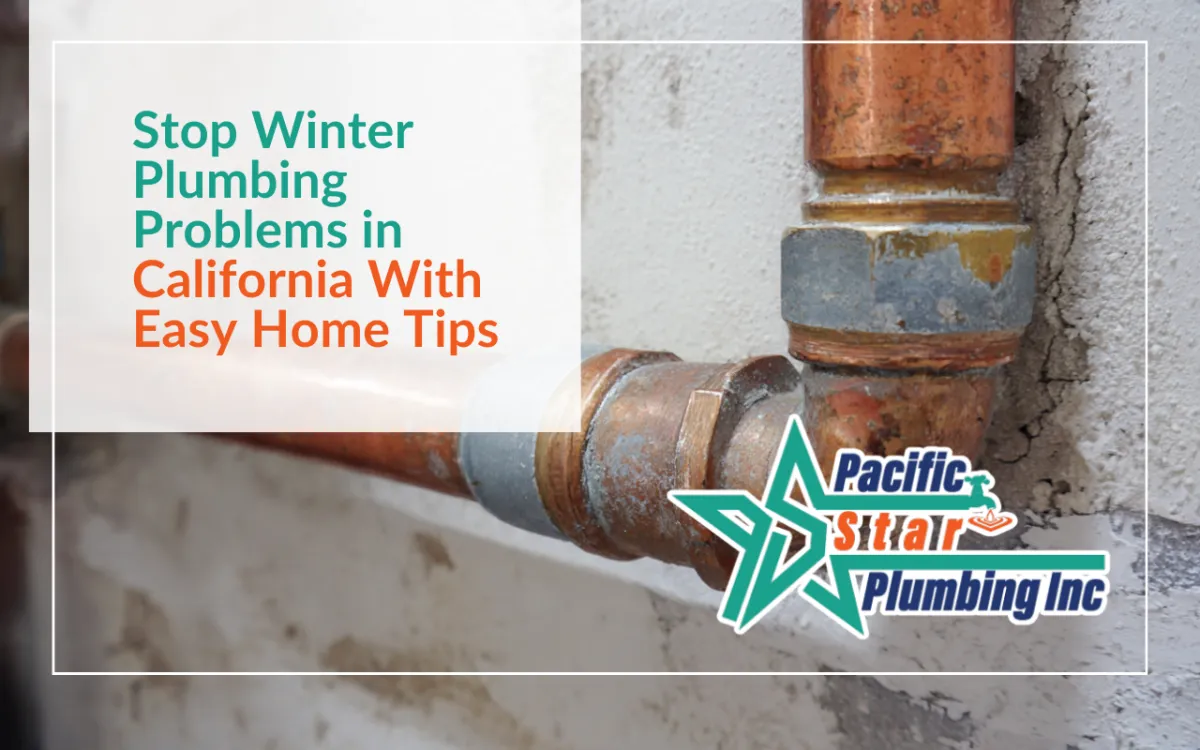
Stop Winter Plumbing Problems in California With Easy Home Tips
Prepare for winter's chill by safeguarding your home against unexpected plumbing woes. While California might be famous for sunny skies, cold snaps can still hit hard.
Winter plumbing problems in California can include pipe freezing in CA and slow drains in winter. With cold weather plumbing tips, you can avoid expensive repairs and keep daily routines smooth.
Insulate Exposed Pipes to Prevent Freezing
Wrap exposed pipes in unheated areas like crawl spaces, attics, or garages to reduce pipe freezing in CA. Use foam sleeves or pipe wrap, since they are affordable and simple to install.
Measure each pipe run, cut insulation to fit, and secure it with tape or zip ties. Also, focus on corners and joints, because cold air often slips in there.
Insulate pipes in garages, attics, and crawl spaces.
Secure insulation tightly at joints and bends.
Use heat tape carefully and follow instructions.
How Cold Weather Affects Your Plumbing
Cold temperatures can freeze water inside pipes, and then the water expands. As a result, pipes can crack or burst, even when winters feel mild.
Winter plumbing problems in California may start as a small split that turns into major water damage. In addition, cold pipes slow water flow and can make daily tasks take longer.
Tips for Thawing Frozen Pipes Safely
If you suspect a frozen pipe, act fast to reduce the chance of a burst. Use gentle heat like a hair dryer, a heat lamp, or a heating pad around the pipe.
Start near the faucet and move toward the blockage, while keeping the faucet open. Never use an open flame, because it can damage pipes and create fire risk.
Open cabinets near the pipe so warm air can reach it.
Increase indoor heat and use a portable heater nearby.
After thawing, check for leaks and replace wet insulation.
Keep Indoor Temperatures Steady
Keep your thermostat at least 55°F (13°C), even when you are away. Consistent heat helps prevent pipe freezing in CA during surprise cold nights.
Open interior doors so warm air can move through the home. Since cold sinks, pay extra attention to lower levels and rooms that stay closed most of the day.
Protect Outdoor Faucets and Irrigation Lines
Disconnect garden hoses and drain outdoor faucets before the first freeze. Otherwise, trapped water can freeze and crack the faucet or the supply pipe inside the wall.
For irrigation, shut off the main valve and drain lines. If needed, clear remaining water with low-PSI air, and cover spigots with insulated faucet caps.
Remove hoses and store them in a dry spot.
Drain exterior faucets and close indoor shut-off valves.
Shut down irrigation and clear lines before cold fronts.
Fix Slow Drains During Cold Months
Slow drains in winter often happen when grease, soap, and hair build up. In cooler pipes, that residue hardens, so water moves slower than usual.
Start with hot (not boiling) water to soften buildup, then use baking soda and vinegar. If the drain stays slow, use a plunger or drain snake for gentle clearing.
Spot and Handle Common Winter Leaks
Check under sinks, around toilets, and near appliances for drips, stains, or musty smells. Also, look in basements and crawl spaces, because slow leaks can hide.
For small leaks at joints, a repair clamp or plumber’s tape can help for a short time. However, always turn off the water first and relieve pressure at a nearby faucet.
Why Insulation Matters All Season
Insulation is a strong defense against winter plumbing problems in California. Foam sleeves, heat tape, and sealed gaps can keep cold air away from pipe runs.
Insulate water heater tanks and hot water lines too, because it reduces heat loss and supports better efficiency. This step also helps water stay at a steadier temperature.
Frequently Asked Questions
Can pipes really freeze in California?
Yes. During cold snaps, exposed pipes can freeze fast, especially in garages, crawl spaces, and exterior walls.
What causes slow drains in winter?
Slow drains in winter often come from grease and soap cooling down in pipes, which narrows the path for water.
What is the safest way to thaw a frozen pipe?
Use gentle heat like a hair dryer and keep the faucet open. Avoid open flames to protect your home and plumbing.
What temperature should I keep my home in winter?
Keep it at least 55°F (13°C). Steady warmth helps reduce the risk of freezing in vulnerable areas.
When should I call a plumber?
If you see major leaks, repeated clogs, or you cannot thaw a pipe safely, call a licensed professional right away.
Get Professional Support When You Need It
Even with cold weather plumbing tips, some issues need expert help. If you have recurring slow drains in winter or suspect a hidden leak, a licensed plumber can find the cause.
For homeowners who want a full winter check, Pacific Star Plumbing INC can inspect vulnerable areas and suggest fixes. You can also review available options on the plumbing services page.
If you want help before the next cold snap, Pacific Star Plumbing INC can guide you through prevention steps. For scheduling and questions, reach Pacific Star Plumbing INC through the contact page.
Enjoy a Worry-Free Winter at Home
Staying ahead of winter plumbing problems in California starts with simple habits like insulation, steady indoor heat, and outdoor prep. These steps can limit damage risk and reduce surprise costs.
When you need extra support, Pacific Star Plumbing INC can help you protect your home and keep water flowing smoothly all season.